Doctored images in top Alzheimers study Neuroscientist Karen Ashe plans to retract her teams landmark Alzheimers paper after acknowledging that it contains manipulated images
Key Takeaways Loose skin is a structural issue: Significant weight loss stretches the physical matrix of the skin, which no cream can shrink back down
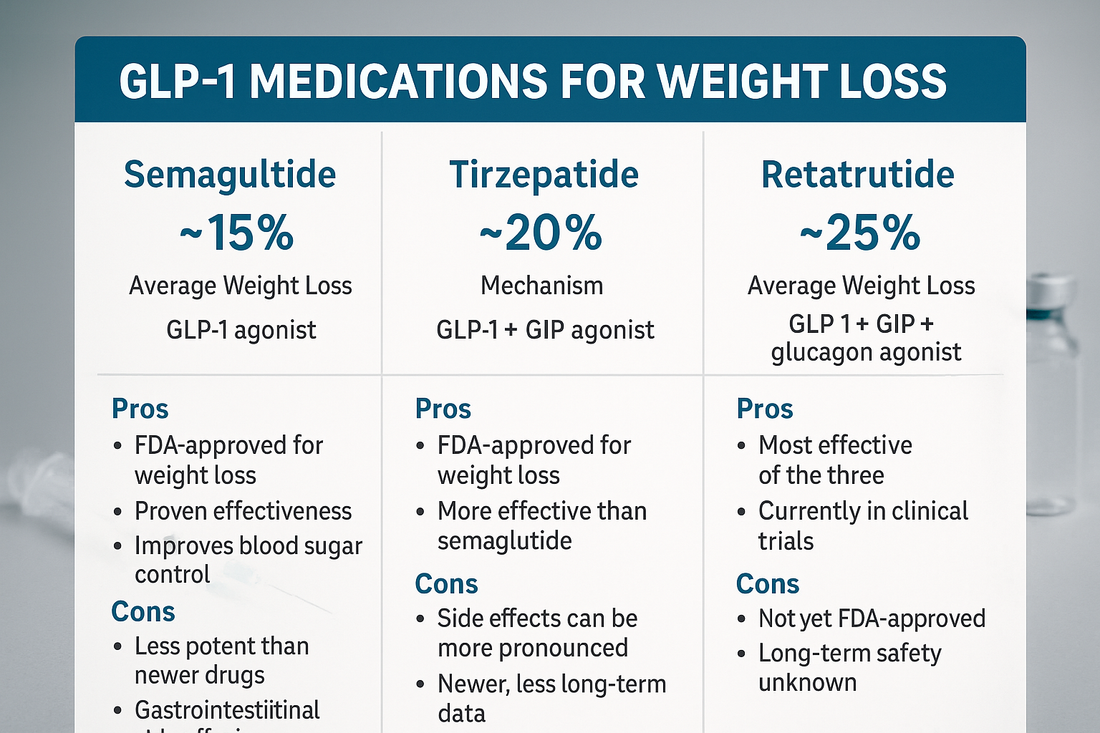
Key differences between cagrilintide and semaglutide Mechanism: Cagrilintide: Amylin receptor agonist Semaglutide: GLP-1 receptor agonist Different pathways, complementary effects Gastric emptying: Cagrilintide: Very strong effect (dramatic slowing) Semaglutide: Moderate effect Combined: Maximum slowing Appetite suppression: Cagrilintide: Works via amylin/calcitonin receptors Semaglutide: Works via GLP-1 receptors in brain Combined: Dual-pathway suppression Side effects: Cagrilintide: More nausea/GI effects (stronger gastric slowing) Semaglutide: Moderate GI effects Combined: Higher side effect risk but manageable Approval status: Cagrilintide: Investigational (not approved) Semaglutide: FDA approved CagriSema combination: Phase 3 trials Weight loss monotherapy: Cagrilintide alone: 10-12% body weight loss Semaglutide alone: 10-15% body weight loss Combined: 15-25% body weight loss Why combining cagrilintide and semaglutide works synergistically The combination targets weight loss through multiple pathways

No bowel movement for 7+ days
Its combination of sterility, pH compatibility, benzyl alcohol preservation, and multi-dose stability make it the undisputed standard for research-grade peptide work
Thus, the appropriate control of NRF2 activity by KEAP1 is vital for maintaining HSCs under physiological conditions as well as their replenishment upon stress